Hyenas: Complete Deep Guide – Social Intelligence, Hunting Strategy, Communication & Survival Science
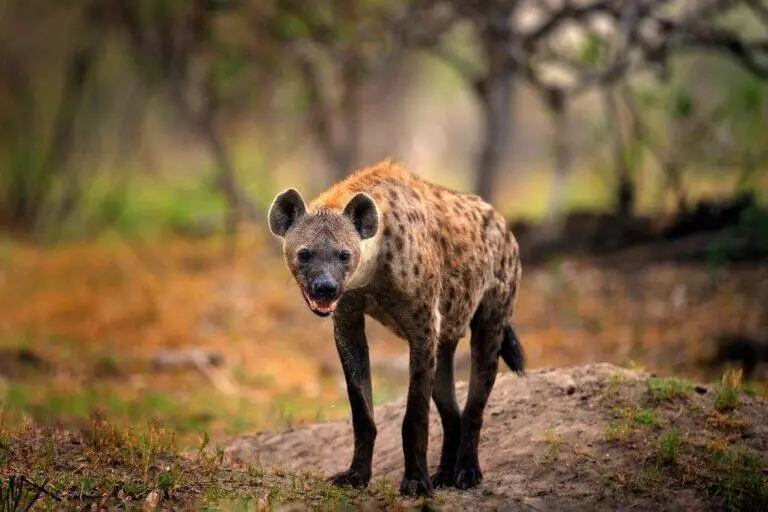
Hyenas are among the most misunderstood animals in the natural world. Often unfairly portrayed as cowardly scavengers, hyenas are actually highly intelligent, socially advanced, and remarkably effective predators. Their powerful jaws, sophisticated social systems, and extraordinary adaptability make them one of Africa’s most successful carnivorous mammals.
Scientists now recognize hyenas as some of the most cognitively complex predators outside primates. They display strategic cooperation, advanced communication, social hierarchy management, and problem-solving abilities that rival many mammals traditionally considered more intelligent. In some ecological regions, hyenas are even more successful hunters than lions.
Hyenas also play a critical ecological role by cleaning ecosystems, regulating prey populations, and recycling nutrients through scavenging behavior. Their ability to consume almost every part of an animal—including bone—makes them essential for maintaining environmental health in savannas and grasslands.
This deep guide explores hyena evolution, anatomy, social intelligence, hunting behavior, communication systems, ecological importance, reproduction, survival adaptations, and predator competition in extraordinary detail.
Hyena Classification and Species Diversity
Hyenas belong to the family Hyaenidae, which contains four living species:
- Spotted hyena
- Striped hyena
- Brown hyena
- Aardwolf
Although they resemble dogs, hyenas are more closely related to cats and other feliform carnivores.
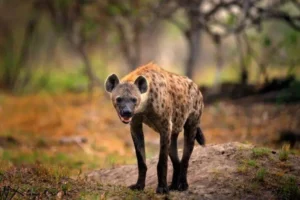
Spotted Hyenas
The spotted hyena is:
- The largest species
- The most social
- The most powerful hunter
Most scientific studies focus on spotted hyenas because of their complex behavior.
Geographic Distribution
Hyenas inhabit:
- African savannas
- Grasslands
- Deserts
- Woodland ecosystems
Some striped hyena populations also exist in parts of the Middle East and Asia.
Evolution and Predator Adaptation
Hyenas evolved millions of years ago as specialized carnivores.
Ancient Survival Success
Over evolutionary time, hyenas adapted to:
- Competition with large predators
- Harsh climates
- Food scarcity
Their flexibility contributed to long-term survival.
Specialized Ecological Role
Hyenas evolved as:
- Hunters
- Scavengers
- Bone consumers
This broad ecological strategy increased survival opportunities.
Physical Characteristics and Strength Biology
Hyenas possess extremely powerful bodies built for endurance and feeding efficiency.
Body Structure
Hyenas have:
- Strong neck muscles
- Sloped backs
- Large jaws
- Durable skeletal systems
Their front legs are longer than their rear legs, creating their distinctive posture.
Bite Force
Hyenas possess one of the strongest bite forces among mammals.
Their jaws can:
- Crush bone
- Access marrow
- Break thick skeletal material
This allows them to consume nearly every part of carcasses.
Digestive Adaptation
Hyena stomach acids are powerful enough to digest:
- Bone fragments
- Hooves
- Tough hide
This efficiency reduces food waste in ecosystems.
Social Intelligence and Clan Structure
Hyenas possess some of the most advanced social systems among carnivores.
Clan Organization
Spotted hyenas live in groups called clans that may contain:
- Dozens
- Sometimes over 80 individuals
These clans function similarly to primate societies.
Female Dominance
Unlike many mammals, female hyenas dominate males socially.
Females are:
- Larger
- More aggressive
- Higher ranking
This unique hierarchy strongly influences clan behavior.
Social Cooperation
Clan members cooperate in:
- Hunting
- Territory defense
- Cub protection
Cooperation significantly improves survival success.
Communication Systems and Vocal Intelligence
Hyenas possess highly advanced communication systems.
Vocalizations
Hyenas produce:
- Laugh-like calls
- Whoops
- Growls
- Giggles
- Grunts
Different sounds communicate:
- Alarm signals
- Social status
- Excitement
- Aggression
Long-Distance Communication
The famous “whoop” call can travel several miles across open savanna landscapes.
This helps coordinate clan movement and territory management.
Body Language
Hyenas communicate visually through:
- Ear positioning
- Tail movement
- Facial expression
- Posture
Social interactions depend heavily on body signals.
Hunting Strategy and Predator Behavior
Hyenas are highly effective hunters rather than simple scavengers.
Hunting Success Rate
In some regions, hyenas achieve higher hunting success rates than lions.
Their success comes from:
- Team coordination
- Endurance
- Strategic pursuit
Hunting Techniques
Hyenas often:
- Chase prey over long distances
- Isolate weak individuals
- Exhaust animals gradually
Unlike ambush predators, hyenas rely heavily on stamina.
Main Prey
Hyenas commonly hunt:
- Wildebeest
- Zebras
- Antelope
- Gazelles
They may also scavenge when opportunities arise.
Scavenging and Ecological Cleaning
Hyenas are among nature’s most important scavengers.
Ecosystem Cleanup
By consuming carcasses, hyenas help:
- Reduce disease spread
- Remove decaying material
- Recycle nutrients
Scavenging is essential for ecosystem health.
Bone Consumption
Because hyenas digest bone, very little biological waste remains after feeding.
This makes them highly efficient recyclers.
Competition With Other Predators
Hyenas compete intensely with:
- Lions
- Wild dogs
- Leopards
Competition shapes African predator dynamics.
Intelligence and Problem-Solving Ability
Scientific studies reveal remarkable hyena intelligence.
Cognitive Skills
Hyenas demonstrate:
- Strategic cooperation
- Social memory
- Problem-solving
- Learning flexibility
Some tests suggest cognitive abilities comparable to primates.
Social Recognition
Hyenas recognize:
- Clan members
- Rival individuals
- Social ranks
This recognition is essential in complex group societies.
Tactical Decision-Making
During hunting and conflict, hyenas make strategic decisions based on:
- Group size
- Risk level
- Prey strength
- Predator competition
This indicates advanced behavioral flexibility.
Sensory Adaptations and Environmental Awareness
Hyenas rely on multiple senses for survival.
Smell Detection
Hyenas possess powerful olfactory systems capable of detecting:
- Carcasses
- Territory markers
- Predator presence
Their sense of smell works across long distances.
Hearing Ability
Excellent hearing helps detect:
- Prey movement
- Clan calls
- Threats
Night Vision
Hyenas are highly active at night and possess strong low-light vision.
This improves hunting success in darkness.
Reproduction and Cub Development
Hyena reproduction involves intense maternal investment.
Birth and Cubs
Spotted hyena cubs are born:
- With open eyes
- With teeth already erupted
This unusual adaptation contributes to early survival competition.
Maternal Care
Mothers provide:
- Milk
- Protection
- Social teaching
Cubs remain dependent for extended periods.
Social Learning
Young hyenas learn:
- Hunting techniques
- Clan behavior
- Territory navigation
Learning from adults is essential for long-term success.
Territorial Behavior and Competition
Hyenas aggressively defend territories.
Territory Marking
Clans mark territories using:
- Scent glands
- Vocal calls
- Physical patrols
Conflict With Lions
Lions and hyenas maintain one of nature’s most intense predator rivalries.
Competition involves:
- Food theft
- Territory disputes
- Direct violence
Group Advantage
Large hyena clans can sometimes overpower lions through numerical superiority.
Ecological Importance of Hyenas
Hyenas are vital ecosystem regulators.
Population Control
By hunting herbivores, hyenas help maintain:
- Grazing balance
- Vegetation health
- Ecosystem stability
Nutrient Recycling
Scavenging redistributes nutrients back into ecosystems.
Disease Reduction
Removing carcasses reduces bacterial growth and disease transmission.
Without scavengers like hyenas, ecosystems would become less stable.
Survival Adaptations in Harsh Environments
Hyenas are highly adaptable animals.
Endurance and Stamina
Their bodies are designed for:
- Long-distance travel
- Extended hunts
- Heat tolerance
Flexible Diet
Hyenas survive on:
- Fresh kills
- Carrion
- Small animals
- Leftovers from other predators
Diet flexibility improves resilience during food shortages.
Desert and Savanna Adaptation
Some species survive extremely dry conditions through:
- Efficient water conservation
- Nocturnal behavior
- Broad feeding habits
Threats Facing Hyena Populations
Despite their adaptability, hyenas face increasing environmental pressures.
Habitat Loss
Human expansion destroys:
- Hunting grounds
- Migration areas
- Territory ranges
Human Conflict
Hyenas are sometimes killed due to:
- Livestock predation
- Misunderstanding
- Fear
Declining Prey Populations
Overhunting of herbivores reduces food availability for predators.
Poisoning
Poisoned carcasses intended for other predators often kill hyenas as well.
Hyenas in Human Culture and Mythology
Hyenas appear in many myths and cultural traditions.
Negative Reputation
Historically, hyenas were associated with:
- Fear
- Grave robbing
- Cowardice
Much of this reputation is scientifically inaccurate.
Modern Scientific Perspective
Researchers now recognize hyenas as:
- Intelligent
- Socially advanced
- Ecologically essential
Media Representation
Documentaries increasingly highlight the true complexity of hyena societies.
Conservation and Scientific Protection
Conservation efforts aim to protect hyena populations and ecosystems.
Wildlife Reserves
Protected habitats support:
- Stable prey populations
- Safe breeding conditions
Research Programs
Scientists study:
- Social behavior
- Predator interactions
- Population health
Public Education
Changing public perception is important for long-term conservation success.
Conclusion
Hyenas are among the most intelligent, adaptable, and ecologically important predators in the natural world. Far beyond the outdated stereotype of cowardly scavengers, they are highly strategic hunters with complex social systems, advanced communication methods, and remarkable survival efficiency.
Their powerful jaws, endurance-based hunting style, and ecological cleaning role make them essential stabilizers in African ecosystems. Hyenas regulate prey populations, recycle nutrients, reduce disease spread, and influence predator competition dynamics across vast landscapes.
As habitat destruction and human conflict increasingly threaten wildlife populations, protecting hyenas becomes critical for maintaining healthy ecosystems and biodiversity.
Hyenas remain extraordinary examples of evolutionary success—social predators whose intelligence, cooperation, and resilience continue reshaping scientific understanding of carnivore behavior and survival science.





Post Comment