Gorillas: Complete Deep Guide – Strength Biology, Social Intelligence, Communication & Survival Science
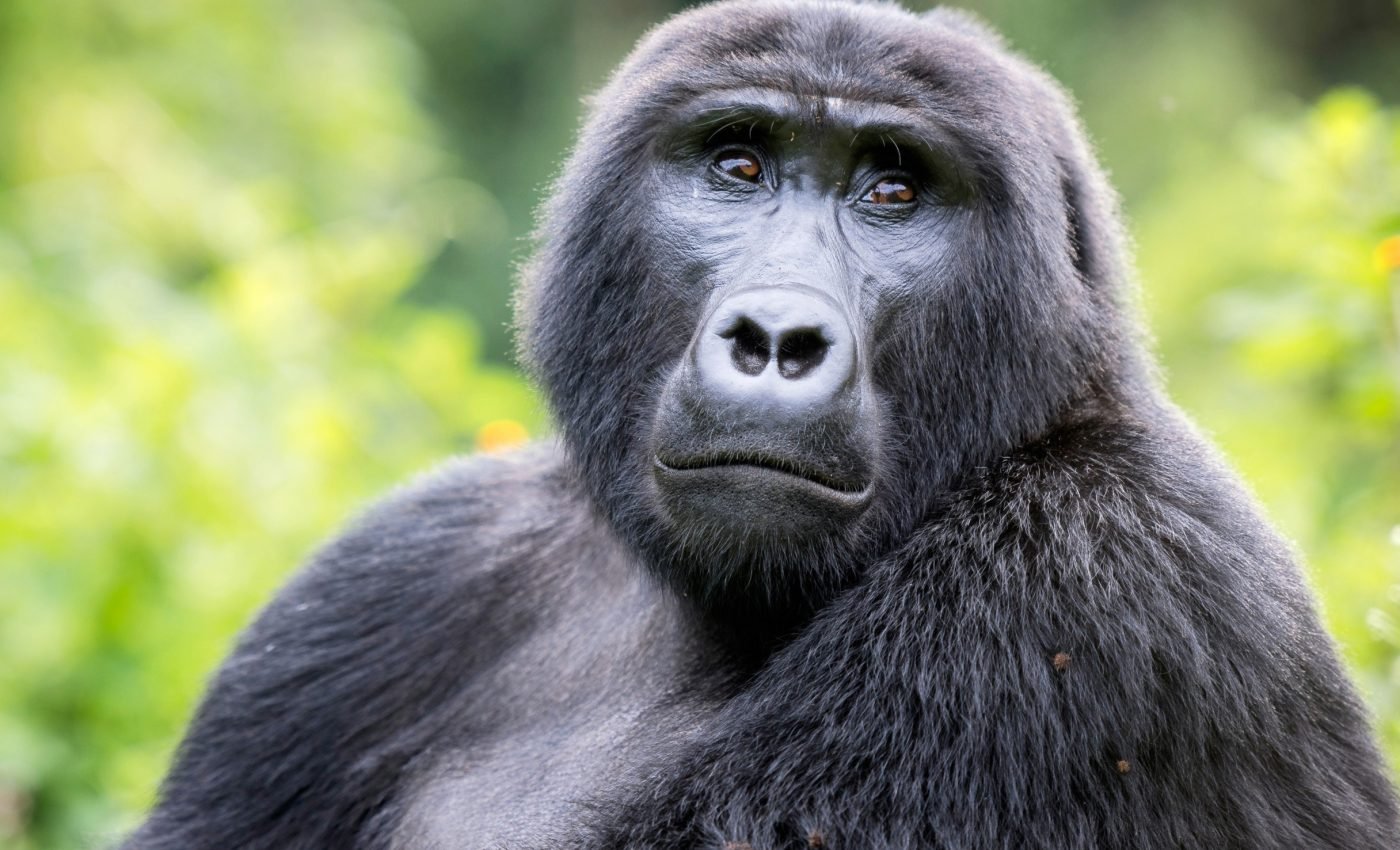
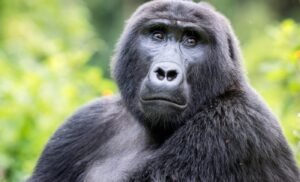
Gorillas are the largest living primates on Earth and among the most intelligent mammals ever studied. These powerful great apes share approximately 98% of their DNA with humans, making them one of humanity’s closest biological relatives. Despite their immense physical strength and intimidating appearance, gorillas are generally peaceful, socially complex animals with advanced emotional behavior, communication systems, and family structures.
For decades, gorillas have fascinated scientists because they provide critical insight into human evolution, intelligence, social development, and emotional cognition. Their behavior reveals remarkable similarities to humans, including problem-solving, empathy, learning ability, grief responses, and cooperative parenting.
Gorillas also play a major ecological role in African forests. Through feeding and movement, they disperse seeds, shape vegetation growth, and support biodiversity throughout tropical ecosystems. Because gorillas depend heavily on healthy forests, they are considered key indicators of ecosystem stability and environmental health.
This deep guide explores gorilla evolution, anatomy, intelligence, communication systems, social behavior, reproduction, ecological importance, survival adaptations, and conservation science in extraordinary detail.
Gorilla Classification and Species Diversity
Gorillas belong to the genus Gorilla, part of the great ape family alongside:
- Humans
- Chimpanzees
- Orangutans
Main Gorilla Species
There are two major gorilla species:
- Eastern gorilla
- Western gorilla
These species are divided further into subspecies such as:
- Mountain gorillas
- Eastern lowland gorillas
- Western lowland gorillas
Each adapted to different forest environments.
Geographic Distribution
Gorillas inhabit:
- Central African rainforests
- Mountain forests
- Dense tropical vegetation zones
Their populations are restricted mainly to equatorial Africa.
Evolution and Human Connection
Gorillas share a close evolutionary relationship with humans.
Common Ancestors
Humans and gorillas evolved from a shared ancestor millions of years ago.
Because of this relationship, gorillas display:
- Similar skeletal structures
- Emotional responses
- Social behaviors
- Cognitive abilities
Evolutionary Adaptation
Gorillas evolved primarily as:
- Forest-dwelling herbivores
- Social group mammals
- Powerful ground-based primates
Their biology emphasizes strength, endurance, and social cooperation.
Physical Characteristics and Strength Biology
Gorillas are among the strongest land mammals relative to body structure.
Body Size
Adult male gorillas, known as silverbacks, may weigh:
- Over 400 pounds
They possess:
- Massive shoulders
- Thick muscles
- Broad chests
- Long powerful arms
Strength and Muscular Power
Gorilla strength supports:
- Climbing
- Territory defense
- Vegetation movement
- Predator protection
Their upper-body power greatly exceeds that of humans.
Knuckle-Walking Movement
Gorillas primarily move using knuckle-walking, which:
- Supports body weight efficiently
- Conserves energy
- Maintains balance
This locomotion style evolved for forest movement and ground stability.
Gorilla Intelligence and Cognitive Science
Gorillas are among the most intelligent non-human animals ever studied.
Problem-Solving Ability
Research shows gorillas can:
- Learn patterns
- Use simple tools
- Understand symbols
- Solve environmental challenges
Some captive gorillas learned basic sign language communication with humans.
Memory and Learning
Gorillas remember:
- Group members
- Food locations
- Social interactions
- Environmental routes
Their long-term memory supports stable social structures.
Emotional Intelligence
Gorillas display:
- Empathy
- Grief
- Affection
- Playfulness
These emotional behaviors strongly resemble human social psychology.
Social Structure and Family Systems
Gorillas live in highly organized social groups.
Gorilla Troops
A typical gorilla troop includes:
- One dominant silverback
- Several females
- Young offspring
Some groups contain multiple males.
Role of the Silverback
The silverback functions as:
- Protector
- Leader
- Conflict manager
- Decision-maker
He defends the group against threats and guides movement.
Family Bonds
Gorilla groups demonstrate:
- Strong emotional attachment
- Cooperative care
- Long-term relationships
Family stability is critical for survival.
Communication Systems and Behavioral Signals
Gorillas possess sophisticated communication methods.
Vocal Communication
Gorillas produce:
- Grunts
- Hoots
- Roars
- Growls
Different sounds communicate:
- Danger
- Reassurance
- Aggression
- Group coordination
Body Language
Physical signals include:
- Chest beating
- Facial expressions
- Eye contact
- Posture changes
Chest beating may communicate:
- Dominance
- Warning signals
- Strength displays
Emotional Communication
Gorillas use touch and grooming to:
- Strengthen social bonds
- Reduce conflict
- Build trust
Social grooming is important in troop relationships.
Feeding Behavior and Herbivorous Adaptation
Gorillas are primarily herbivores.
Main Diet
Gorillas commonly consume:
- Leaves
- Shoots
- Fruits
- Bark
- Roots
Some species occasionally eat insects.
Digestive Adaptation
Their digestive systems are specialized for processing large quantities of fibrous plant material.
Strong jaw muscles and large molars support vegetation breakdown.
Seed Dispersal
As gorillas travel and feed, they spread seeds through forests, helping:
- Plant regeneration
- Forest diversity
- Ecosystem growth
This ecological role is extremely important.
Habitat and Forest Survival Adaptations
Gorillas are highly adapted to dense forest ecosystems.
Climbing Ability
Young gorillas are excellent climbers and often spend time in trees.
Climbing supports:
- Food access
- Safety
- Exploration
Nest Building
Gorillas build sleeping nests daily using:
- Leaves
- Branches
- Vegetation
These nests provide comfort and insulation.
Environmental Awareness
Gorillas possess strong spatial awareness of:
- Feeding zones
- Water locations
- Safe movement routes
Forest navigation is critical for troop survival.
Reproduction and Parenting Behavior
Gorillas display strong parental investment.
Reproductive Development
Females typically give birth to:
- One infant at a time
Young gorillas develop slowly and remain dependent for years.
Maternal Care
Mothers provide:
- Feeding
- Protection
- Transportation
- Social learning
Infants maintain close physical contact during early development.
Male Protection
Silverbacks defend infants and group members from:
- Predators
- Rival males
- External threats
This protection improves troop stability.
Ecological Importance of Gorillas
Gorillas are major ecosystem engineers in African forests.
Forest Regeneration
Seed dispersal by gorillas helps maintain:
- Tree diversity
- Forest renewal
- Plant population balance
Vegetation Control
Feeding behavior influences:
- Plant growth patterns
- Forest structure
- Ecological competition
Biodiversity Support
Healthy gorilla populations support broader ecosystem stability for countless other species.
Gorilla Behavior and Emotional Complexity
Gorillas display highly advanced emotional behavior.
Play and Social Interaction
Young gorillas frequently:
- Wrestle
- Chase each other
- Explore objects
Play behavior helps develop social and physical skills.
Grief and Loss
Researchers observed gorillas showing signs of mourning after the death of group members.
These responses include:
- Remaining near bodies
- Reduced activity
- Emotional distress signals
Conflict Resolution
Gorillas usually avoid unnecessary violence through:
- Vocal warnings
- Displays
- Social negotiation
Physical conflict is often a last resort.
Predators and Survival Threats
Adult gorillas have few natural predators due to size and group protection.
Natural Threats
Possible threats include:
- Leopards
- Disease
- Territorial conflict
Young gorillas are more vulnerable.
Human Threats
The greatest dangers come from:
- Deforestation
- Poaching
- Habitat fragmentation
- Illegal wildlife trade
Disease Transmission
Because gorillas are genetically similar to humans, they are highly vulnerable to human diseases.
Respiratory infections can devastate populations.
Conservation Science and Protection Efforts
Many gorilla populations are endangered.
Protected National Parks
Wildlife reserves provide:
- Habitat protection
- Anti-poaching security
- Population monitoring
Scientific Research
Researchers study:
- Gorilla genetics
- Social behavior
- Reproductive health
- Disease prevention
Ecotourism
Responsible tourism can support conservation funding while raising public awareness.
Strict regulations are necessary to reduce disease transmission risks.
Gorillas in Human Culture and Science
Gorillas hold enormous importance in science and culture.
Scientific Importance
They help researchers understand:
- Human evolution
- Intelligence
- Emotional cognition
- Social behavior
Cultural Symbolism
Gorillas often symbolize:
- Strength
- Leadership
- Family protection
Media Representation
Documentaries and conservation campaigns increased public appreciation for gorilla intelligence and vulnerability.
Climate Change and Future Survival Challenges
Climate change threatens gorilla habitats through:
- Forest disruption
- Food instability
- Disease spread
- Water stress
As forests shrink, human-gorilla conflict may increase.
Long-term survival depends heavily on habitat protection and environmental stability.
Conclusion
Gorillas are among the most extraordinary mammals on Earth. Their immense strength, emotional intelligence, advanced social systems, and close evolutionary relationship with humans make them one of nature’s most fascinating species.
Far beyond their physical power, gorillas are peaceful family-oriented primates that maintain complex social relationships, communicate through sophisticated behaviors, and play critical roles in forest ecosystems. Their survival directly supports biodiversity, forest regeneration, and ecological balance across central Africa.
As habitat destruction, disease, and poaching continue threatening gorilla populations, conservation becomes increasingly important for protecting both these magnificent apes and the ecosystems they help sustain.
Gorillas remain living symbols of intelligence, resilience, and evolutionary connection—remarkable primates whose existence offers profound insight into both the natural world and humanity itself.






Post Comment