Bats: Complete Deep Guide – Echolocation Physics, Night Navigation, Disease Immunity & Survival Science
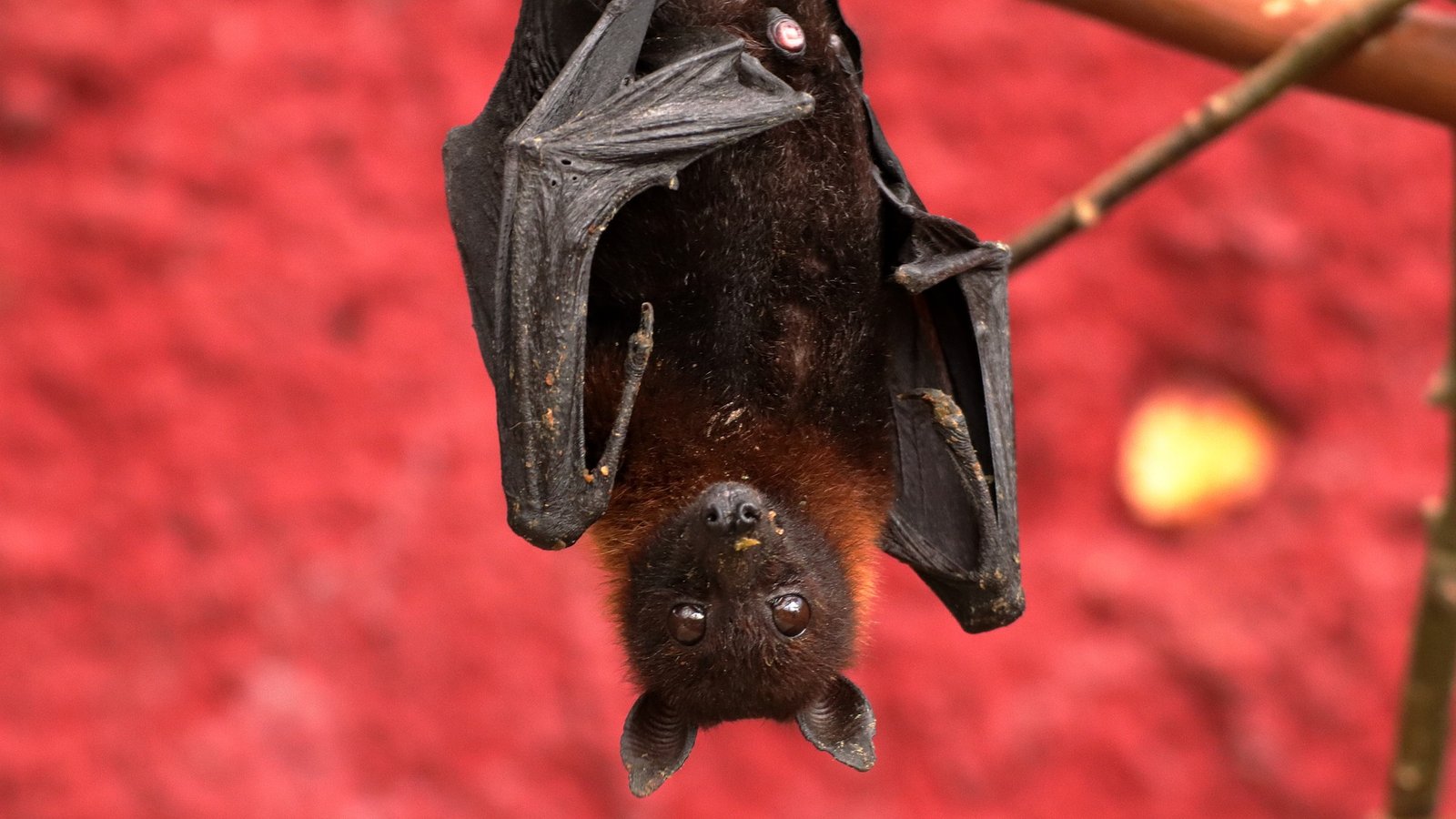
Bats are among the most extraordinary and misunderstood animals on Earth. As the only mammals capable of true powered flight, bats occupy a unique position in evolutionary biology and ecological science. Their ability to navigate complete darkness using echolocation, survive in extreme environments, and regulate insect populations has made them one of the most scientifically important animal groups in the world.
Despite often being associated with myths or fear, bats are essential for healthy ecosystems and human agriculture. They pollinate plants, disperse seeds, control insect populations, and contribute billions of dollars annually to global farming industries by reducing crop pests naturally.
Scientists study bats extensively because of their remarkable biological adaptations. These include advanced sonar systems, unusual immune responses, long lifespans relative to body size, energy-efficient flight mechanics, and highly specialized social communication systems.
This deep guide explores bat evolution, anatomy, echolocation science, ecological importance, social behavior, disease resistance, reproduction, intelligence, and survival adaptations in extraordinary detail.
Bat Classification and Species Diversity
Bats belong to the order Chiroptera, meaning “hand-wing,” referring to the structure of their wings.
Global Diversity
Bats are the second-largest group of mammals after rodents, with:
- Over 1,400 known species
- Presence on every continent except Antarctica
This enormous diversity allows bats to occupy many ecological roles.
Two Main Bat Groups
Megabats
Also called fruit bats or flying foxes, megabats:
- Usually rely more on vision than echolocation
- Consume fruit, nectar, or pollen
- Possess large eyes and wingspans
Microbats
Microbats are generally:
- Smaller
- Insect-eating
- Highly dependent on echolocation
Most famous echolocation studies involve microbat species.
Evolution of Flight in Bats
Bats are the only mammals to evolve true sustained flight.
Wing Evolution
Bat wings evolved from mammalian forelimbs. Their wings consist of:
- Thin skin membranes
- Extremely elongated finger bones
- Flexible muscular control systems
This structure allows exceptional maneuverability.
Advantages of Flight
Flight gave bats access to:
- Nighttime insect populations
- Safer escape routes from predators
- Expanded geographic movement
- Elevated roosting locations
These evolutionary advantages contributed to bat success worldwide.
Bat Anatomy and Physical Adaptations
Bat bodies are highly specialized for aerial survival.
Wing Structure
Bat wings differ greatly from bird wings.
Their wings are:
- Flexible
- Elastic
- Highly sensitive
The membrane contains:
- Blood vessels
- Muscles
- Nerve endings
This allows bats to make incredibly precise flight adjustments.
Lightweight Skeleton
Bats possess:
- Thin lightweight bones
- Reduced body mass
- Compact musculature
These adaptations improve flight efficiency.
Clawed Feet and Hanging Ability
Most bats roost upside down using specialized tendon-locking mechanisms that require little energy.
Hanging upside down allows:
- Quick flight launch
- Predator avoidance
- Efficient cave resting
Echolocation Physics and Sonar Navigation
Echolocation is one of the most advanced sensory systems in nature.
How Echolocation Works
Bats emit high-frequency sound waves that bounce off surrounding objects.
The returning echoes provide information about:
- Distance
- Shape
- Texture
- Movement
- Direction
This biological sonar allows navigation in complete darkness.
Ultrasonic Frequencies
Most bat echolocation calls are ultrasonic, meaning:
- Too high for humans to hear
- Extremely fast and detailed
Some bats produce over 100 calls per second during hunting.
Precision Target Detection
Bats can detect:
- Tiny insects
- Thin wires
- Water surfaces
- Moving prey
Even in total darkness, their sonar provides extraordinary spatial awareness.
Night Navigation and Flight Mechanics
Bat flight is among the most agile in the animal kingdom.
Maneuverability
Bats can:
- Turn sharply
- Hover briefly
- Dive rapidly
- Fly through narrow spaces
Flexible wings allow much greater control than rigid bird wings.
Energy Efficiency
Although flight requires high energy, bats evolved efficient metabolism systems that support:
- Long-distance travel
- Continuous nighttime hunting
- Seasonal migration
Navigation Systems
In addition to echolocation, bats may use:
- Magnetic fields
- Visual landmarks
- Memory mapping
These systems help during migration and long-range travel.
Bat Intelligence and Learning Ability
Bats possess more advanced cognition than many people realize.
Spatial Memory
Bats remember:
- Cave systems
- Feeding areas
- Water sources
- Migration routes
Their navigation memory is highly sophisticated.
Social Learning
Young bats learn:
- Hunting techniques
- Roosting behavior
- Communication signals
Observation and imitation play important roles in development.
Adaptive Hunting
Bats adjust hunting patterns depending on:
- Insect activity
- Weather conditions
- Moonlight levels
- Predator presence
Behavioral flexibility improves survival efficiency.
Social Behavior and Communication Systems
Many bat species are highly social animals.
Colony Living
Some bat colonies contain:
- Thousands
- Hundreds of thousands
- Even millions of individuals
Group living provides:
- Heat conservation
- Predator protection
- Social interaction
Vocal Communication
Bats use complex vocal signals for:
- Territory defense
- Mating
- Parent-offspring recognition
- Social coordination
Some species possess communication systems comparable in complexity to songbirds.
Maternal Recognition
Mother bats identify offspring through:
- Vocal signatures
- Smell recognition
- Roost location memory
This is critical in crowded colonies.
Feeding Behavior and Diet Diversity
Bat diets vary enormously between species.
Insect-Eating Bats
Most bats consume insects such as:
- Mosquitoes
- Beetles
- Moths
- Flies
A single bat may eat thousands of insects in one night.
Fruit Bats
Fruit bats help spread seeds by consuming fruit and traveling long distances.
This supports:
- Forest regeneration
- Tropical biodiversity
- Plant reproduction
Nectar-Feeding Bats
Some bats pollinate flowers similarly to bees or hummingbirds.
Important plants pollinated by bats include:
- Agave
- Bananas
- Mangoes
- Cacti
Bat pollination is vital for many ecosystems and agricultural systems.
Ecological Importance of Bats
Bats are among the most ecologically valuable mammals on Earth.
Natural Pest Control
Insect-eating bats dramatically reduce pest populations, benefiting agriculture by:
- Protecting crops
- Reducing pesticide use
- Lowering farming costs
Their ecological economic value reaches billions of dollars annually.
Pollination and Seed Dispersal
Bats support tropical forests through:
- Pollination
- Seed transportation
- Habitat regeneration
Without bats, some ecosystems would collapse.
Ecosystem Balance
Bats influence:
- Insect population dynamics
- Plant reproduction cycles
- Predator-prey relationships
They are critical ecosystem stabilizers.
Bat Immunity and Disease Resistance Science
Bats possess highly unusual immune systems.
Viral Tolerance
Bats can carry viruses without becoming severely ill due to:
- Controlled immune responses
- Reduced inflammation
- Specialized cellular defense systems
Scientists study bat immunity to better understand human diseases.
Longevity
Despite small body size, many bats live surprisingly long lives.
Some species survive:
- 20–40 years
This lifespan is extraordinary for small mammals.
Scientific Research Importance
Bat biology may help researchers study:
- Aging
- Viral resistance
- Immune regulation
- Disease prevention
Their physiology is considered highly important in biomedical science.
Reproduction and Parenting Behavior
Bat reproduction often involves strong parental care.
Low Reproductive Rate
Most bats produce:
- Only one pup annually
This slow reproduction makes populations vulnerable to environmental disruption.
Maternal Colonies
Female bats often gather in nursery colonies where:
- Young receive warmth
- Mothers protect offspring collectively
Social cooperation improves survival.
Learning to Fly
Young bats require extensive practice before independent flight and hunting.
This developmental stage is extremely risky.
Survival Adaptations and Hibernation
Bats survive harsh seasonal conditions using specialized strategies.
Hibernation
Many bats hibernate during winter to conserve energy when insects disappear.
During hibernation:
- Heart rate slows dramatically
- Body temperature decreases
- Metabolism becomes highly reduced
Cave Roosting
Caves provide:
- Stable temperatures
- Humidity protection
- Predator shelter
Roost selection is critical for survival.
Migration
Some bats migrate long distances between seasonal habitats.
Migration supports:
- Food access
- Reproductive success
- Climate adaptation
Predators and Threats
Bats face increasing environmental dangers.
Natural Predators
Bat predators include:
- Owls
- Hawks
- Snakes
- Mammals
Young bats are especially vulnerable.
Habitat Destruction
Deforestation and urban expansion reduce:
- Roosting locations
- Feeding areas
- Migration corridors
Wind Turbines
Collisions and pressure changes from wind turbines kill large numbers of bats annually.
Disease
White-nose syndrome, a fungal disease affecting hibernating bats, has devastated populations in some regions.
Bats in Human Culture and Mythology
Bats have long appeared in folklore and mythology.
Symbolism
Different cultures associated bats with:
- Night
- Mystery
- Transformation
- Death
- Good fortune
Misunderstanding and Fear
Because bats are nocturnal and unusual-looking, many myths falsely portray them as dangerous.
In reality, most bats are harmless and highly beneficial.
Modern Scientific Appreciation
Today bats are increasingly recognized for:
- Ecological importance
- Agricultural value
- Scientific significance
Conservation efforts continue growing worldwide.
Climate Change and Future Survival Challenges
Climate change threatens many bat species through:
- Habitat shifts
- Food shortages
- Heat stress
- Drought
Changing temperatures may disrupt migration and reproductive timing.
Because bats reproduce slowly, recovery from population declines can take decades.
Conclusion
Bats are among the most remarkable mammals ever evolved. Their mastery of flight, sophisticated echolocation systems, advanced navigation abilities, and ecological importance make them one of nature’s greatest evolutionary achievements.
Far from being creatures of fear, bats are essential ecosystem engineers that protect crops, pollinate plants, disperse seeds, and regulate insect populations on a massive scale. Their unique biology also provides scientists with valuable insights into aging, immunity, disease resistance, and sensory evolution.
As habitat destruction, climate change, and disease increasingly threaten bat populations worldwide, protecting these extraordinary animals becomes critical for both biodiversity and ecosystem stability.
Bats remain living examples of evolutionary innovation—nighttime specialists perfectly adapted for survival in darkness, flight, and ecological balance.











Post Comment