Crocodiles: Complete Deep Guide – Ancient Evolution, Bite Force, Ambush Hunting & Survival Science
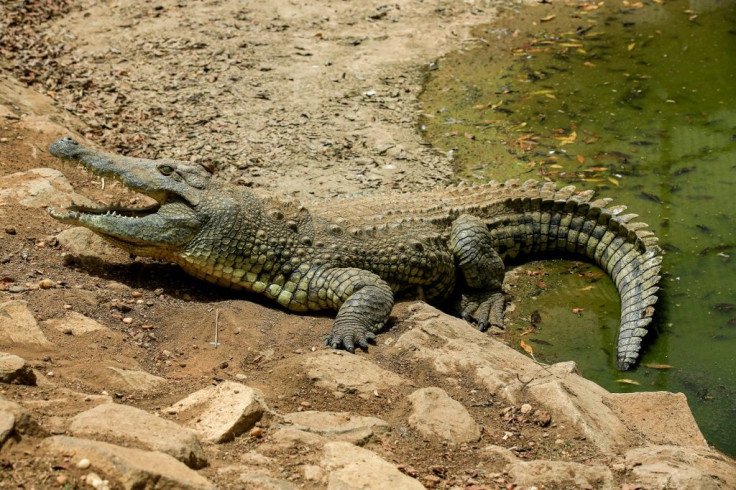
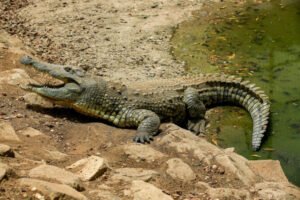
Crocodiles are among the oldest and most powerful predators on Earth. These armored reptiles survived mass extinctions, dramatic climate shifts, and millions of years of evolutionary change while maintaining many of the same biological features that existed during the age of dinosaurs. Their combination of immense bite force, stealth hunting strategy, aquatic adaptation, and survival efficiency makes crocodiles one of nature’s most successful apex predators.
Often feared because of their strength and aggressive reputation, crocodiles are actually highly specialized animals perfectly engineered for ambush predation and long-term survival. Their bodies are designed to dominate rivers, swamps, lakes, mangroves, and coastal ecosystems where they control prey populations and maintain ecological balance.
Scientists study crocodiles to better understand reptilian evolution, biomechanics, predator behavior, sensory systems, and environmental adaptation. Their physiology also provides insight into immune resistance, cardiovascular efficiency, and prehistoric survival mechanisms.
This deep guide explores crocodile evolution, anatomy, hunting behavior, bite force science, communication systems, reproduction, intelligence, ecological importance, and survival adaptations in extraordinary detail.
Crocodile Classification and Species Diversity
Crocodiles belong to the order Crocodylia, a reptile group that includes:
- Crocodiles
- Alligators
- Caimans
- Gharials
True crocodiles belong to the family Crocodylidae.
Major Crocodile Species
Important crocodile species include:
- Nile crocodile
- Saltwater crocodile
- American crocodile
- Mugger crocodile
- Cuban crocodile
Different species evolved unique adaptations based on habitat and prey availability.
Geographic Distribution
Crocodiles inhabit:
- Africa
- Asia
- Australia
- The Americas
Most species thrive in tropical and subtropical regions.
Ancient Evolution and Dinosaur-Era Origins
Crocodiles are often called “living fossils” because their ancestors existed over 200 million years ago.
Survival Through Mass Extinction
Crocodilian ancestors survived the extinction event that killed non-avian dinosaurs.
Scientists believe their survival was aided by:
- Slow metabolism
- Aquatic lifestyle
- Flexible diet
- Efficient energy conservation
Evolutionary Stability
Unlike many animal groups, crocodiles changed relatively little over millions of years because their body design was already extremely effective.
Their survival demonstrates one of evolution’s greatest examples of successful biological engineering.
Physical Characteristics and Armored Anatomy
Crocodiles possess bodies optimized for aquatic ambush predation.
Body Structure
Crocodiles have:
- Long muscular tails
- Powerful jaws
- Armored skin
- Streamlined bodies
This combination supports stealth, speed, and durability.
Osteoderms and Armor
Their skin contains bony plates called osteoderms that:
- Protect against attacks
- Regulate heat
- Increase durability
The armor makes crocodiles extremely difficult to injure.
Tail Power
The crocodile tail provides:
- Swimming propulsion
- Rapid acceleration
- Balance
- Defensive strength
Most swimming power comes from tail movement rather than legs.
Bite Force and Jaw Mechanics
Crocodiles possess the strongest bite force measured in the animal kingdom.
Bite Pressure
Large crocodiles can produce:
- Over 3,000 pounds per square inch of pressure
This force allows them to:
- Crush bone
- Grip struggling prey
- Kill large animals efficiently
Jaw Design
Crocodile jaws are specialized for:
- Closing strength
- Grip stability
- Rapid snapping attacks
However, the muscles for opening the jaw are relatively weak.
Death Roll Behavior
When handling large prey, crocodiles perform a “death roll” by spinning violently underwater.
This behavior helps:
- Tear flesh
- Dismember prey
- Overpower struggling animals
The death roll is one of the reptile world’s most effective feeding strategies.
Ambush Hunting Strategy
Crocodiles are classic ambush predators.
Stealth Positioning
Crocodiles often remain nearly invisible with:
- Only eyes
- Nostrils
- Ear openings
above water.
This concealment allows surprise attacks.
Attack Mechanics
A typical crocodile attack involves:
- Rapid lunging
- Powerful bite grip
- Immediate dragging into water
Water environments reduce prey mobility and increase crocodile control.
Patience and Energy Efficiency
Crocodiles may wait:
- Hours
- Days
for ideal hunting opportunities.
Their low metabolism supports incredible patience.
Sensory Systems and Environmental Awareness
Crocodiles possess highly advanced sensory adaptations.
Eye Adaptations
Their eyes are positioned high on the skull, allowing vision while mostly submerged.
Crocodiles also possess:
- Night vision
- Protective eye membranes
- Strong motion detection
Pressure Sensors
Tiny sensory organs around the jaws detect:
- Water vibrations
- Movement changes
- Nearby prey activity
These sensors are extremely sensitive.
Hearing and Smell
Crocodiles have strong:
- Hearing ability
- Chemical detection systems
These senses improve hunting accuracy and territorial awareness.
Aquatic Adaptations and Swimming Ability
Crocodiles are highly efficient aquatic reptiles.
Swimming Mechanics
Powerful tail strokes allow:
- Fast acceleration
- Silent movement
- Long-distance swimming
Saltwater crocodiles can travel across oceans between islands.
Breath Control
Crocodiles can remain underwater for:
- Over an hour under calm conditions
Their bodies conserve oxygen extremely efficiently.
Specialized Heart Structure
Crocodiles possess one of the most advanced reptilian cardiovascular systems, allowing:
- Efficient oxygen use
- Diving endurance
- Temperature regulation
Intelligence and Behavioral Adaptation
Crocodiles display more intelligence than many reptiles.
Learning Ability
Studies suggest crocodiles can:
- Recognize patterns
- Learn feeding routines
- Adapt hunting behavior
Tool Use
Some crocodiles place sticks on their snouts during bird nesting season to attract birds searching for nesting materials.
This behavior suggests strategic hunting intelligence.
Memory and Territory
Crocodiles remember:
- Territory boundaries
- Feeding areas
- Nesting sites
Their environmental awareness supports long-term survival.
Social Behavior and Communication Systems
Although often solitary, crocodiles possess important social behaviors.
Vocal Communication
Crocodiles communicate using:
- Growls
- Hisses
- Bellows
- Vibrations
Young crocodiles vocalize before hatching.
Territorial Displays
Large males defend territories using:
- Water splashing
- Body posture
- Vocal intimidation
These displays reduce physical conflict.
Mother-Offspring Communication
Female crocodiles respond to hatchling calls and assist babies after hatching.
Parental care is surprisingly advanced for reptiles.
Reproduction and Nesting Behavior
Crocodile reproduction involves careful nesting strategy.
Nest Construction
Females build nests using:
- Mud
- Vegetation
- Sand
Nest temperature affects egg development.
Temperature-Dependent Sex Determination
Unlike mammals, crocodile sex depends on incubation temperature.
Different temperatures produce:
- More males
- More females
This biological mechanism is highly sensitive to climate conditions.
Hatchling Protection
Mothers often:
- Guard nests
- Help hatchlings emerge
- Carry babies gently in their mouths
This parental care increases survival rates.
Feeding Behavior and Diet Diversity
Crocodiles are opportunistic carnivores.
Typical Diet
Depending on size, crocodiles eat:
- Fish
- Birds
- Mammals
- Reptiles
- Crustaceans
Large individuals may attack very large prey.
Feeding Efficiency
Crocodiles swallow chunks of meat because they cannot chew.
Strong stomach acids help digest:
- Bone
- Tough tissue
- Shell material
Energy Conservation
Crocodiles can survive:
- Weeks
- Sometimes months
without food due to slow metabolism.
Ecological Importance of Crocodiles
Crocodiles are essential ecosystem regulators.
Apex Predator Role
As top predators, crocodiles control populations of:
- Fish
- Mammals
- Aquatic animals
This prevents ecological imbalance.
Nutrient Cycling
Crocodile feeding behavior contributes to:
- Nutrient redistribution
- Aquatic ecosystem health
Habitat Engineering
Crocodile movements create:
- Water channels
- Nesting areas
- Wetland disturbances beneficial to other species
They indirectly support biodiversity.
Survival Adaptations and Environmental Toughness
Crocodiles are among Earth’s toughest vertebrates.
Metabolic Efficiency
Slow metabolism allows survival during:
- Food shortages
- Droughts
- Harsh environmental conditions
Heat Regulation
Crocodiles regulate temperature through:
- Basking behavior
- Water cooling
- Mouth gaping
Disease Resistance
Crocodiles possess surprisingly strong immune systems resistant to infections and injuries.
Scientists study their blood chemistry for possible medical applications.
Threats Facing Crocodile Populations
Despite their strength, crocodiles face serious threats.
Habitat Destruction
Wetland destruction reduces:
- Nesting areas
- Hunting habitat
- Water quality
Illegal Hunting
Crocodiles are hunted for:
- Skin
- Meat
- Traditional medicine
Pollution
Water pollution damages:
- Reproduction
- Food sources
- Egg development
Climate Change
Changing temperatures may disrupt:
- Nest temperatures
- Hatchling sex ratios
- Water ecosystems
This could significantly affect future populations.
Crocodiles in Human Culture and History
Crocodiles have appeared in human civilization for thousands of years.
Ancient Symbolism
Many cultures associated crocodiles with:
- Power
- Danger
- Strength
- Creation myths
Religious Importance
Ancient Egyptians worshipped crocodile-associated deities linked to protection and fertility.
Modern Perception
Today crocodiles appear in:
- Wildlife documentaries
- Conservation programs
- Popular media
Their prehistoric appearance fascinates people worldwide.
Conservation and Scientific Protection
Many crocodile species are now protected through conservation programs.
Protected Wetlands
Wildlife reserves help preserve:
- Breeding habitats
- River ecosystems
- Population stability
Captive Breeding
Some species recover through controlled breeding and reintroduction programs.
Research and Monitoring
Scientists use:
- GPS tracking
- Nest monitoring
- Population surveys
These methods improve conservation planning.
Conclusion
Crocodiles are among the most successful predators in evolutionary history. Their armored bodies, unmatched bite force, advanced sensory systems, and efficient ambush hunting strategies allowed them to survive for millions of years while many other species disappeared.
Far beyond their fearsome reputation, crocodiles are critical ecological regulators that maintain balance in aquatic ecosystems. Their survival contributes to biodiversity, nutrient cycling, and environmental stability across rivers, wetlands, and coastal habitats.
As habitat destruction, climate change, and pollution increasingly threaten crocodilian ecosystems, conservation efforts become essential for protecting these ancient reptiles and the environments they support.
Crocodiles remain living relics of prehistoric Earth—powerful survivors whose biology represents one of nature’s greatest examples of evolutionary endurance and predatory perfection.




Post Comment