Elephants: Complete Deep Guide – Memory Science, Emotional Intelligence, Social Systems & Survival Biology
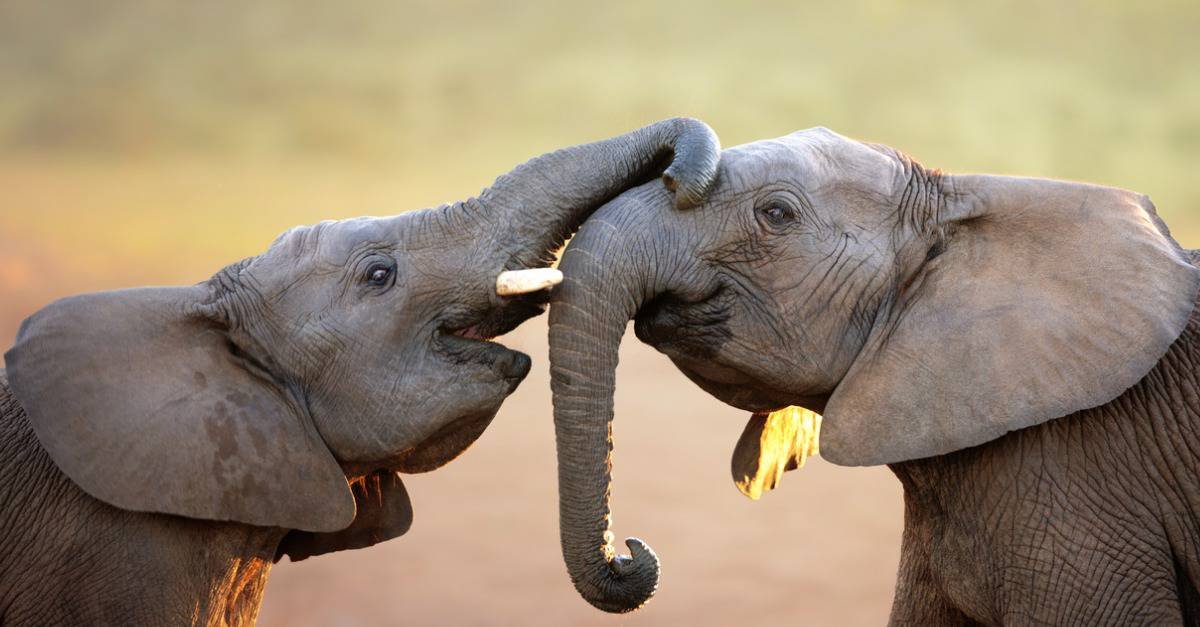
Elephants are among the most intelligent and emotionally complex animals on Earth because they combine extraordinary memory, advanced social structures, problem-solving abilities, and deep emotional awareness into one of the most sophisticated mammalian species in the natural world, and unlike many large animals that survive mainly through physical strength, elephants depend heavily on communication, cooperation, learning, and social bonding, making them not only ecological giants but also important scientific examples of intelligence, empathy, and long-term social evolution.
🌿 Biological Structure and Anatomy of Elephants
Elephants are the largest land animals on Earth and belong to the family Elephantidae, possessing massive muscular bodies supported by strong pillar-like legs designed to carry enormous weight efficiently, while one of their most unique anatomical features is the trunk, which contains tens of thousands of muscle units and functions as a multifunctional tool used for breathing, smelling, drinking, grasping objects, social interaction, and defense, making it one of the most versatile biological structures in the animal kingdom.
🧠 Memory Science and Elephant Intelligence
Elephants are famous for their exceptional memory because their brains are among the largest of all land animals and contain highly developed regions associated with learning, emotional processing, and spatial awareness, and elephants can remember migration routes, water sources, danger zones, and social relationships for many years, allowing them to survive in harsh and changing environments, while scientific research also shows that elephants can solve problems, recognize themselves in mirrors, and demonstrate long-term social recognition abilities.
❤️ Emotional Intelligence and Empathy
One of the most remarkable aspects of elephant behavior is their emotional complexity because elephants display empathy, grief, affection, cooperation, and social support behaviors rarely observed at such levels outside humans and certain primates, and elephants have been observed comforting distressed group members, protecting injured individuals, and showing strong reactions to death by touching bones or remaining near deceased relatives, suggesting deep emotional awareness and social attachment within elephant societies.
🐘 Family Structure and Social Systems
Elephant societies are highly organized and usually led by experienced female matriarchs who guide the herd using knowledge gained over decades, and these matriarchs play critical roles in locating water, avoiding danger, and maintaining social stability, while younger elephants learn survival behaviors through observation and interaction within the group, making elephant herds knowledge-based societies where experience and memory directly influence survival success.
🌍 Ecological Importance of Elephants
Elephants are often called “ecosystem engineers” because their movements and feeding behaviors shape entire landscapes, and by knocking down trees, spreading seeds through dung, digging water holes, and creating pathways through vegetation, elephants influence forests, grasslands, and water systems in ways that support countless other species, making them critically important for biodiversity and ecosystem balance across Africa and Asia.
🌡️ Communication Systems and Infrasound
Elephants communicate through multiple systems including touch, vocal sounds, body language, and low-frequency infrasound vibrations that can travel several kilometers through air and ground, allowing herds to coordinate movement and maintain social contact over long distances, while their large ears also help detect subtle environmental sounds and regulate body temperature in hot climates.
⚠️ Threats and Conservation Challenges
Despite their intelligence and ecological importance, elephants face severe threats from habitat destruction, climate change, and illegal poaching for ivory, and because elephants reproduce slowly and require large territories, population recovery is difficult when herds are disrupted, while conservation organizations continue working to protect migration routes, reduce human-elephant conflict, and combat wildlife trafficking to ensure long-term elephant survival.
🧬 Evolutionary History of Elephants
Modern elephants evolved from ancient proboscideans that included mammoths and mastodons, and over millions of years they developed large body size, advanced trunks, tusks, and high intelligence as adaptations for survival across changing climates and environments, making elephants living representatives of one of the most remarkable evolutionary lineages in mammalian history.
🧠 Psychological and Cultural Symbolism of Elephants
Throughout history elephants have symbolized wisdom, memory, strength, peace, and royalty in many cultures because of their intelligence, calm behavior, and impressive physical presence, while in religions and traditions across Asia and Africa elephants are associated with spiritual power, leadership, and protection, making them deeply respected animals in human civilization.
🐘 Conclusion
Elephants are far more than giant herbivores because they represent one of nature’s most advanced combinations of intelligence, emotion, memory, and ecological influence, combining social complexity, environmental engineering, and emotional awareness into highly evolved societies that shape ecosystems and inspire scientific research into cognition and empathy, making elephants among the most extraordinary and emotionally fascinating animals on Earth.
❓ FAQ
1. Why are elephants known for good memory?
Because they possess highly developed brains and long-term spatial learning abilities.
2. How do elephants communicate over long distances?
Through low-frequency infrasound vibrations.
3. Why are elephants important to ecosystems?
They shape landscapes and help spread seeds and maintain biodiversity.
4. Do elephants show emotions?
Yes, they display empathy, grief, affection, and social bonding.
5. What threatens elephant populations?
Poaching, habitat destruction, and climate change.









Post Comment