Sharks: Complete Deep Guide – Ancient Evolution, Sensory Systems, Ocean Dominance & Survival Biology
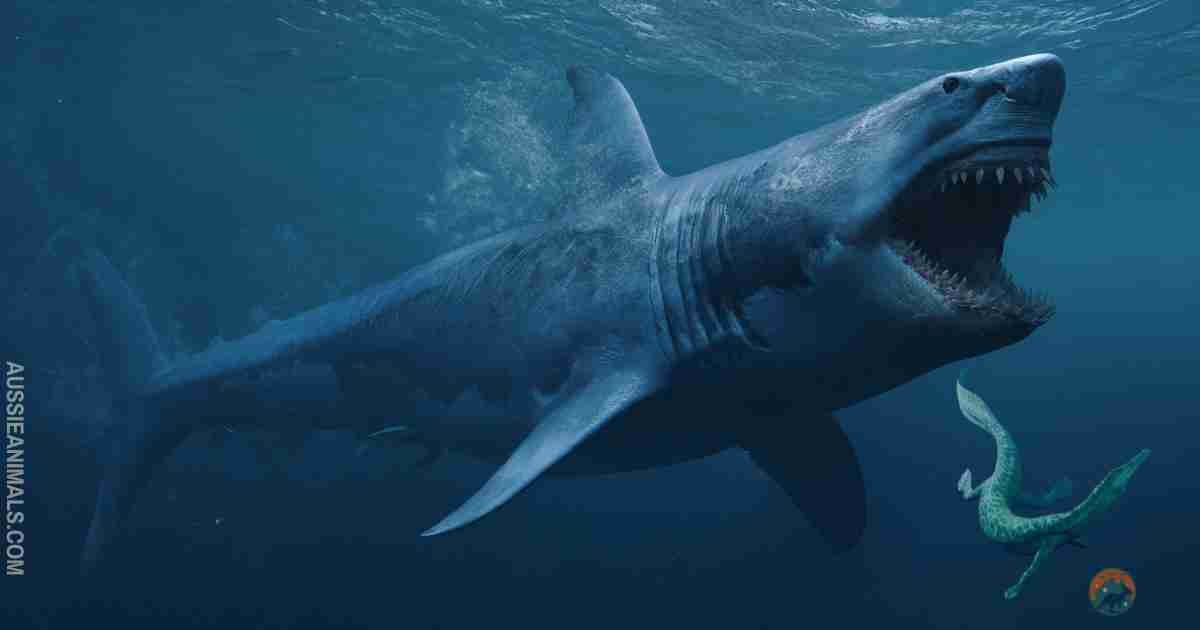
Sharks are among the oldest and most evolutionarily successful predators on Earth because they existed hundreds of millions of years before dinosaurs and survived multiple mass extinction events through extraordinary sensory systems, biological efficiency, and ecological adaptability, and unlike many marine animals that rely on group behavior or camouflage for survival, sharks dominate oceans through precision hunting, advanced detection abilities, hydrodynamic engineering, and highly refined evolutionary adaptations, making them one of the most scientifically important apex predators in marine ecosystems.
🌿 Biological Structure and Anatomy of Sharks
Sharks belong to the class Chondrichthyes, meaning their skeletons are made of flexible cartilage instead of hard bone, and this lightweight structure improves mobility and swimming efficiency while reducing body mass, and sharks also possess multiple rows of continuously replacing teeth, powerful tails for propulsion, rough skin covered in dermal denticles that reduce drag in water, and highly developed gill systems that extract oxygen efficiently from ocean currents, making shark anatomy optimized for speed, endurance, and predatory performance.
👁️ Advanced Sensory Systems of Sharks
One of the most extraordinary features of sharks is their combination of sensory systems that allow them to detect prey with extreme precision, and sharks can sense movement, smell microscopic traces of blood in water, detect low-frequency vibrations, and perceive electrical signals produced by living organisms through specialized organs called ampullae of Lorenzini, making sharks some of the most sensitive biological detection systems in the animal kingdom.
⚡ Electroreception: Detecting Hidden Prey
Sharks possess electroreception abilities that allow them to detect tiny electrical fields generated by muscle contractions and nerve activity in other animals, and this system is especially useful when prey is hidden under sand or in dark waters where vision is limited, while the gel-filled ampullae of Lorenzini located around the shark’s snout function like natural electromagnetic sensors, giving sharks an almost “sixth sense” for hunting and navigation.
🦈 Hunting Strategy and Ocean Dominance
Sharks use highly efficient hunting strategies depending on species and habitat, and while great white sharks rely on ambush attacks and explosive bursts of speed, whale sharks filter-feed on plankton despite their enormous size, showing the wide diversity of shark feeding systems, while many sharks patrol territories with energy-efficient swimming patterns that maximize sensory awareness and minimize unnecessary energy loss, making them dominant marine predators across multiple ocean ecosystems.
🌍 Ecological Importance of Sharks
Sharks are apex predators that help maintain balance in marine ecosystems by regulating fish populations and removing weak or sick animals, and without sharks food chains can become unstable, leading to overpopulation of certain species and collapse of marine biodiversity systems, while healthy shark populations are strongly connected with coral reef stability, fisheries balance, and long-term ocean health.
🧬 Evolutionary Success and Ancient Origins
Sharks are evolutionarily remarkable because their ancestors existed over 400 million years ago, meaning sharks survived several global extinction events that eliminated countless other species, and their long-term survival was possible due to adaptable body structures, efficient reproductive systems, sensory specialization, and ecological flexibility, making sharks one of the greatest examples of evolutionary endurance in Earth’s history.
⚠️ Human Impact and Shark Conservation
Despite their ecological importance, many shark species are threatened due to overfishing, habitat destruction, pollution, and shark fin trade industries, and because sharks reproduce slowly compared to many fish species, population recovery can take decades, while negative media portrayals have also contributed to fear-based attitudes toward sharks despite the fact that human attacks by sharks are statistically extremely rare.
🧪 Scientific and Technological Inspiration from Sharks
Scientists study shark skin, movement, and sensory systems for applications in medicine, engineering, and technology because shark skin structures inspire antibacterial surfaces and advanced swimsuits, while hydrodynamic body designs influence underwater vehicle engineering and robotics, showing how millions of years of shark evolution continue to inspire modern innovation.
🧠 Psychological Fascination and Cultural Symbolism of Sharks
Sharks create intense fascination in human psychology because they represent power, mystery, survival, and fear of the unknown ocean environment, while throughout history sharks have symbolized danger and dominance in stories, films, and mythology, making them among the most emotionally impactful predators in human imagination and media culture.
🦈 Conclusion
Sharks are far more than feared ocean predators because they represent one of nature’s most advanced combinations of sensory precision, hydrodynamic engineering, evolutionary endurance, and ecological control, combining ancient biological success with modern scientific importance in ways that directly influence marine ecosystems, technological innovation, and human understanding of predator evolution, making sharks among the most extraordinary animals on Earth.
❓ FAQ
1. How old are sharks evolutionarily?
Sharks existed more than 400 million years ago.
2. Can sharks detect electricity?
Yes, through specialized organs called ampullae of Lorenzini.
3. Are all sharks dangerous to humans?
No, most shark species are harmless to humans.
4. Why are sharks important to oceans?
They regulate marine food chains and ecosystem balance.
5. Why do sharks constantly replace teeth?
Because their teeth wear out frequently during feeding and hunting.













Post Comment