Snakes: Complete Deep Guide – Venom Evolution, Thermal Vision, Stealth Hunting & Survival Biology
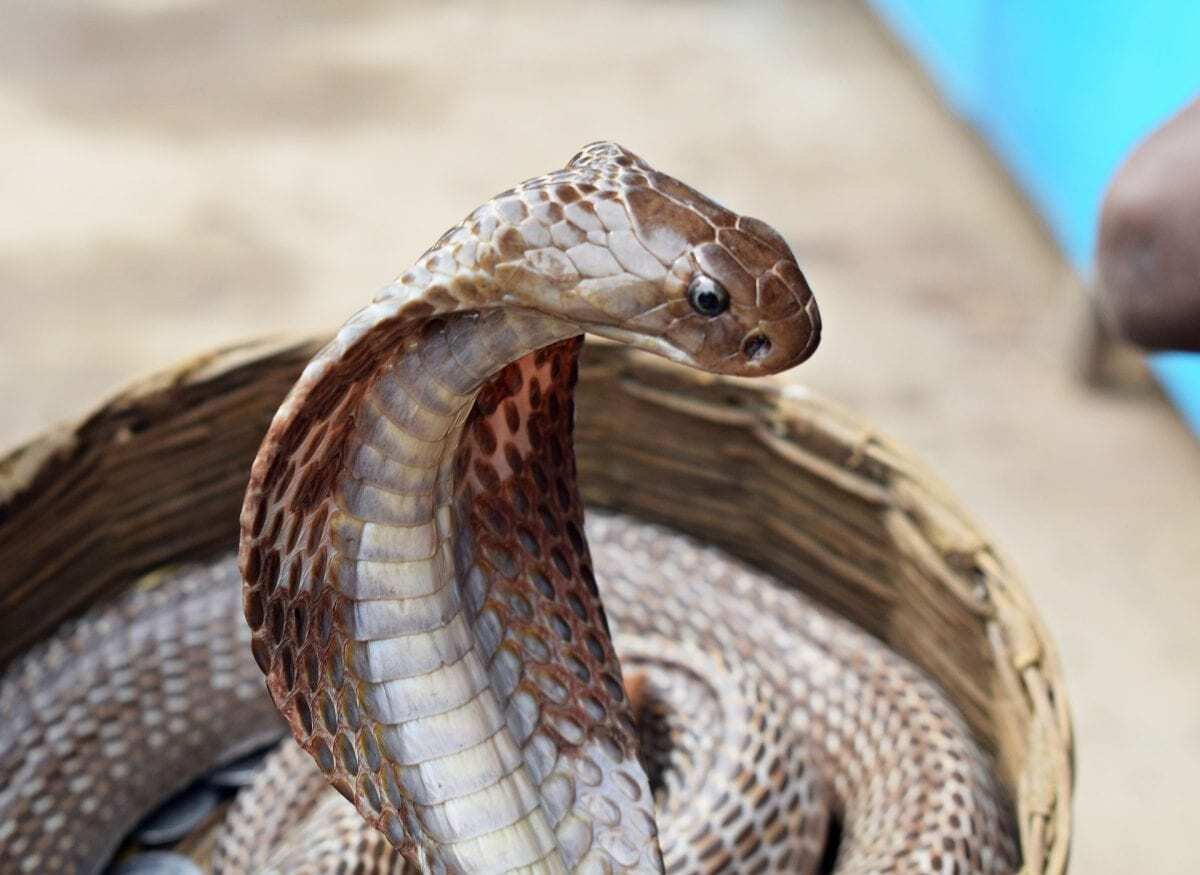
Snakes are among the most evolutionarily specialized and scientifically fascinating predators in the animal kingdom because they transformed from ancient lizard-like ancestors into limbless hunters equipped with advanced sensory systems, flexible skeletal structures, chemical tracking abilities, and in many species highly sophisticated venom delivery mechanisms, and unlike predators that rely mainly on speed or physical force, snakes dominate ecosystems through stealth, patience, precision, and biological efficiency, making them some of the most adaptable and misunderstood creatures on Earth.
🌿 Biological Structure and Anatomy of Snakes
Snakes belong to the suborder Serpentes and possess elongated bodies supported by hundreds of vertebrae and ribs that provide extraordinary flexibility and movement control, while unlike most vertebrates they have no limbs, eyelids, or external ears, and instead rely heavily on muscle coordination, vibration sensitivity, and chemical sensing systems for survival, while their jaws are connected by highly flexible ligaments that allow them to swallow prey much larger than their own heads, making snake anatomy one of the most specialized feeding systems in nature.
👅 Chemical Tracking and Tongue Sensing System
One of the most unique adaptations in snakes is their forked tongue system, which collects microscopic chemical particles from the air and ground, and when the tongue retracts these particles are analyzed by the Jacobson’s organ located in the roof of the mouth, allowing snakes to detect prey, predators, and environmental information with extreme sensitivity, while the forked structure helps determine the direction of scent trails much like stereo hearing helps humans locate sounds.
🌡️ Thermal Vision and Infrared Detection
Certain snake species such as pit vipers, pythons, and boas possess specialized heat-sensing organs capable of detecting infrared radiation emitted by warm-blooded animals, and these sensory pits allow snakes to form thermal images of prey even in complete darkness, making thermal vision one of the most advanced hunting adaptations in the reptile world and enabling highly accurate strikes under low-visibility conditions.
☠️ Venom Evolution and Biological Weapon Systems
Venomous snakes evolved highly specialized venom systems consisting of modified saliva glands connected to hollow or grooved fangs that inject toxins into prey, and snake venom contains complex mixtures of proteins, enzymes, and neurotoxins designed to immobilize prey, disrupt blood circulation, damage tissues, or affect nervous systems, while different snake species evolved different venom strategies depending on prey type and ecological niche, making venom one of the most sophisticated biological weapon systems in nature.
🐍 Hunting Strategies and Survival Intelligence
Snakes use multiple hunting methods depending on species and environment, and while venomous snakes rely on rapid strikes and toxin delivery, constrictors such as pythons and boas kill prey by tightening coils around the body and restricting blood flow and breathing, while many snakes use camouflage, patience, and ambush positioning rather than active pursuit, conserving energy while maximizing hunting efficiency through stealth and precision.
🌍 Ecological Importance of Snakes
Snakes play essential ecological roles because they regulate populations of rodents, insects, birds, and other animals, helping maintain balance in ecosystems and reducing agricultural pest populations naturally, while snakes themselves also serve as prey for larger predators including birds of prey, mammals, and crocodilians, making them important components of food webs and biodiversity systems across forests, deserts, grasslands, and wetlands.
🧬 Evolutionary Success and Global Adaptation
Snakes are among the most evolutionarily successful reptiles because they adapted to nearly every major environment on Earth except extreme polar regions, developing specialized body forms, venom systems, climbing abilities, swimming adaptations, and burrowing behaviors that allow survival in rainforests, oceans, mountains, deserts, and underground ecosystems, making them one of the most adaptable predator groups in natural history.
⚠️ Human Fear and Misunderstanding of Snakes
Humans often fear snakes due to evolutionary survival instincts related to venomous species, while cultural myths and exaggerated media portrayals have increased negative perceptions over time, although scientifically the majority of snake species are nonvenomous and avoid human interaction whenever possible, and snakes generally attack humans only when threatened or cornered.
🧪 Medical and Scientific Importance of Snake Venom
Snake venom has become extremely valuable in medical research because certain venom compounds are used to develop medications for blood pressure control, pain management, blood clot prevention, and neurological research, showing that biological systems evolved for predation can also contribute to life-saving scientific and pharmaceutical advancements.
🧠 Psychological and Cultural Symbolism of Snakes
Throughout human history snakes have symbolized danger, wisdom, transformation, healing, immortality, and mystery in different cultures, while their ability to shed skin created strong symbolic associations with rebirth and renewal, making snakes among the most psychologically and spiritually significant animals in mythology, religion, and ancient symbolism.
🐍 Conclusion
Snakes are far more than feared reptiles because they represent one of nature’s most advanced systems of stealth, sensory adaptation, venom evolution, and ecological efficiency, combining biological precision, survival intelligence, and environmental importance into highly specialized predators that influence ecosystems, medicine, and human culture, making snakes among the most remarkable evolutionary success stories on Earth.
❓ FAQ
1. How do snakes smell without noses like mammals?
They use forked tongues and the Jacobson’s organ to detect chemicals.
2. Can snakes see heat?
Certain species can detect infrared radiation through heat-sensing pits.
3. Are all snakes venomous?
No, most snake species are nonvenomous.
4. Why are snakes important to ecosystems?
They control rodent and pest populations naturally.
5. Why do snakes shed their skin?
To allow growth and remove parasites or damaged skin.











Post Comment